
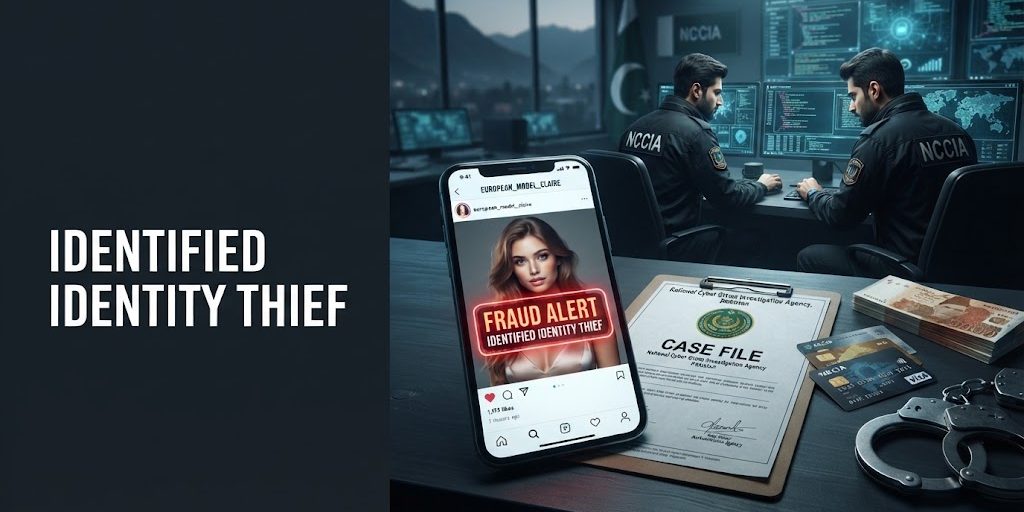
NCCIA ARRESTS SUSPECTS FOR POSING AS GERMAN WOMAN ON SOCIAL MEDIA IN RS 18 MILLION FRAUD SCAM 🇵🇰
In a major cybercrime crackdown targeting sophisticated social engineering syndicates, the National Cyber Crime Investigation Agency (NCCIA) Hazara Circle has arrested key suspects involved in an organized romance-investment scam that defrauded a citizen of Rs. 18 Million.
Operating out of Abbottabad and Islamabad, the syndicate created fabricated Instagram and social media personas pretending to be an attractive female entrepreneur from Germany.
Over months of conversation, the operators established emotional trust with the primary victim—identified by authorities as Malik Haider Manzoor, a resident of Havelian—before pitching fictitious cross-border commercial ventures and convincing him to transfer Rs. 18 million.
Announced in a formal press briefing by Deputy Director Abdul Wahab of NCCIA Hazara Circle, investigators conducted targeted raids across Abbottabad and Islamabad, arresting key syndicate members and recovering Rs. 5.5 Million in cash and frozen assets alongside bank ledgers, SIM cards, and digital devices.
Here is an analysis of how the romance-investment scheme operated, how cybercrime investigators traced the money trail, and actionable safeguards to protect against foreign social media identity fraud.
The Anatomy of the Rs. 18 Million Scam
Unlike conventional cyber attacks involving brute-force hacking or malware attachments, romance-investment scams (often termed relationship-investment fraud) rely entirely on psychological manipulation and fabricated identities:
           THE "ROMANCE-INVESTMENT" FRAUD PIPELINE
 ┌─────────────────────────────────────────────────────────────┐
 │ STAGE 1: PERSONA FABRICATION & OUTREACH                     │
 │ • Scammers build curated Instagram profiles using stolen    │
 │   photos of a European/German professional woman.           │
 │ • Unsolicited warm direct messages (DMs) initiated online.  │
 ├─────────────────────────────────────────────────────────────┤
 │ STAGE 2: EMOTIONAL GROOMING & TRUST-BUILDING                │
 │ • Weeks of casual, affectionate, and daily conversations.   │
 │ • Convenient excuses for avoiding live video calls (poor    │
 │   connectivity, privacy concerns, busy corporate travel).   │
 ├─────────────────────────────────────────────────────────────┤
 │ STAGE 3: THE HIGH-RETURN INVESTMENT PITCH                   │
 │ • Shifting talk toward lucrative international trade or     │
 │   commercial projects "guaranteed" by foreign entities.     │
 ├─────────────────────────────────────────────────────────────┤
 │ STAGE 4: THE MULTI-TRANCHE HEIST & DISAPPEARANCE            │
 │ • Persuading the victim to wire Rs. 18M across bank accounts│
 │ • Demands for extra clearance fees before account ghosting. │
 └─────────────────────────────────────────────────────────────┘
Key Investigation Details & Recoveries
During the official briefing in Abbottabad, NCCIA officials shared key details of the operation:
| Investigation Metric | Operational Detail |
| Investigating Circle | NCCIA Cyber Crime Hazara Circle (Abbottabad) |
| Supervising Officer | Deputy Director Abdul Wahab |
| Primary Victim | Malik Haider Manzoor (Resident of Havelian) |
| Total Defrauded Amount | Rs. 18 Million (PKR 1.8 Crore) |
| Amount Recovered on Site | Rs. 5.5 Million (~30% of total funds), with further account freezes underway |
| Seized Evidence | Multiple smartphones, laptops, active multi-bank ATM debit cards, registered SIMs, and digital transaction receipts |
Why Fabricated Foreign Identities Work
Cyber investigators noted that foreign identities are strategically chosen by fraudsters because they exploit specific psychological blind spots:
- Plausible Distance: It offers an immediate, unquestioned excuse for why an in-person meeting is impossible.
- Perceived Professional Credibility: Posing as a European business executive creates an illusion of affluence and sophisticated international business acumen.
- Emotional Disarming: Targets who routinely ignore spam phishing emails or unverified APK links often let their guard down during long-term personal conversations.
- The Element of Shame: Many victims of relationship fraud delay reporting losses to authorities due to social embarrassment, granting perpetrators ample time to cash out through intermediary mule accounts.
Red Flags: How to Identify Online Romance & Investment Traps
Citizens, digital creators, and business professionals should look out for these common warning signs:
            RED FLAGS FOR ONLINE SOCIAL MEDIA FRAUD
 ┌─────────────────────────────────────────────────────────────┐
 │ 🚩 Unsolicited DMs from attractive foreign profiles.        │
 │ 🚩 Instant affection, deep familiarity, and emotional talk. │
 │ 🚩 Continuous refusal or excuses to conduct live video calls│
 │ 🚩 Conversations pivoting toward business investments.      │
 │ 🚩 Pressure to transfer funds into local third-party bank   │
 │    accounts rather than verified corporate entity accounts. │
 └─────────────────────────────────────────────────────────────┘
How to Report Digital Fraud to NCCIA
If you or someone in your network has been targeted by an online scam, reporting the incident quickly is essential for freezing destination accounts:
- 24/7 National Emergency Cyber Helpline: Call 1799 immediately.
- Official Web Complaint Portal: File detailed evidence at complaints.nccia.gov.pk.
- Preserve Digital Trails: Take uncropped screenshots of complete chat histories, social media handles, phone numbers, and bank deposit slips before blocking the fraudster.
Corporate Advisory & Digital Reputation Management
Navigating modern digital spaces, protecting corporate executive identities against impersonation syndicates, and deploying secure commercial communications channels requires robust digital security and verified brand positioning. Corporate enterprises and commercial executives seeking structured digital media strategy can partner with Makani Marketing.
📌 Legal Notice: This post is based on formal press statements and criminal investigation updates issued by the National Cyber Crime Investigation Agency (NCCIA) Hazara Circle. All suspects remain under legal judicial custody and are presumed innocent until proven guilty in a competent court of law