
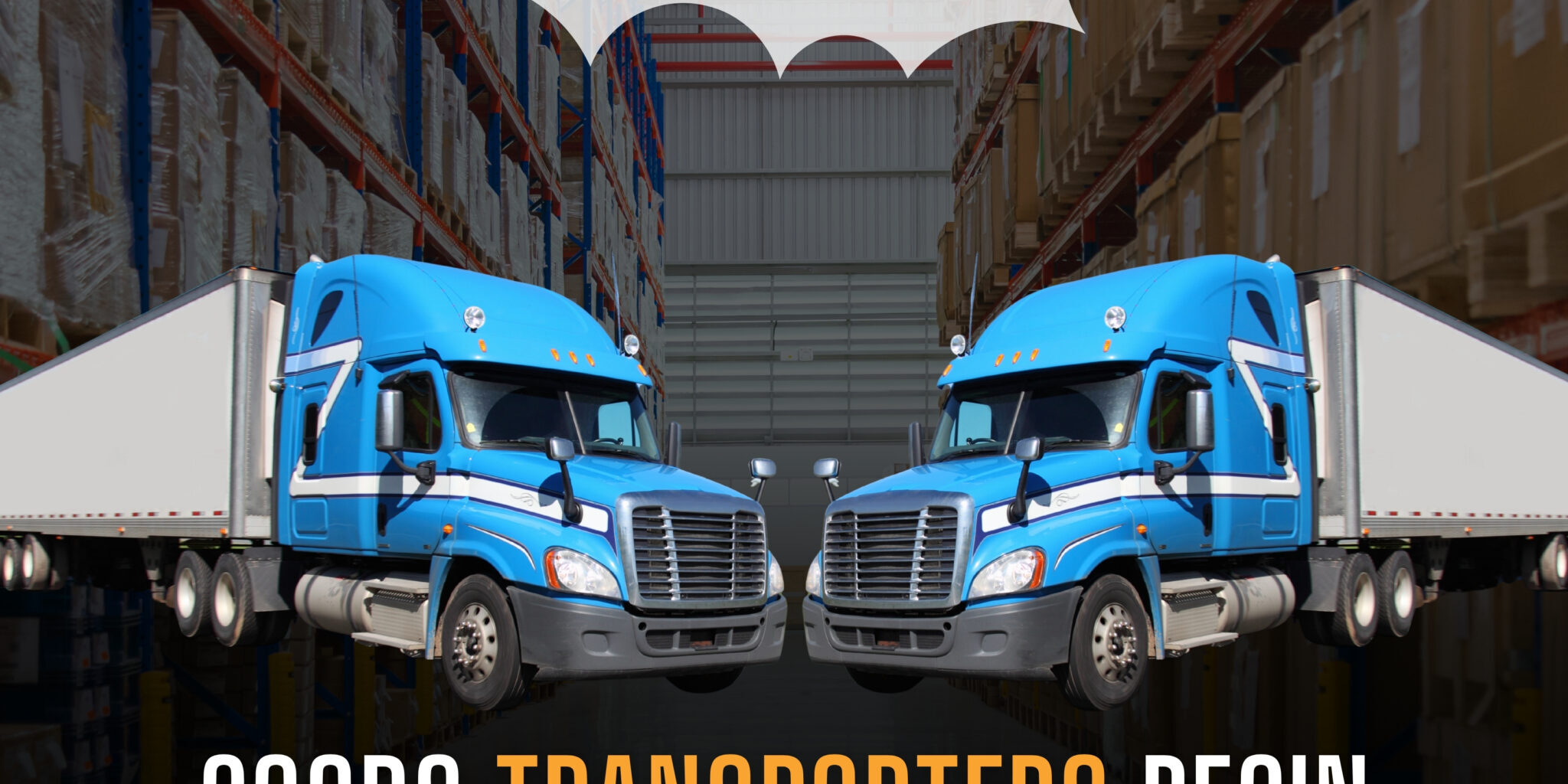
The All Pakistan Goods Transporters Alliance and regional freight associations across the country have officially launched a nationwide, indefinite wheel-jam strike. Heavy transport vehicles—including cargo trucks, multi-axle trailers, container carriers, and oil tankers—have halted freight operations across major industrial hubs and transit routes.
With negotiations between transport leaders and federal communications officials remaining unresolved, the nationwide suspension threatens to slow down industrial supply chains, port operations, and essential commodity deliveries.
Key Demands of the Transporters
The Alliance’s charter of demands addresses systemic operational hurdles, tax burdens, and regulatory policies:
- End Daily Fuel Price Revisions: Rejection of OGRA’s frequent petroleum pricing updates, with transporters demanding a return to predictable monthly or fortnightly adjustments.
- Tax Rate Rationalization: Demanding a reduction in the withholding tax rate on cargo transporters from 7% down to 2%.
- Axle-Load Limit Enforcement: Demanding uniform enforcement of axle-load limits at manufacturing loading points and warehouses rather than transit highway checkpoints.
- Toll Rates & Customs Regulations: Requesting the review of recent motorway toll hikes and the withdrawal of strict vehicle confiscation rules under Customs SRO 1619/2024.
Macroeconomic & Supply Chain Impact
The goods transport industry forms the operational backbone of Pakistan’s trade economy. A prolonged wheel-jam strike creates severe cascading effects:
- Port Congestion: Freight clearing delays at Karachi Port Trust (KPT) and Port Qasim increase demurrage charges for importers and exporters.
- Industrial Raw Material Shortages: Manufacturing facilities across Punjab and Sindh face supply disruptions for imported raw materials and industrial components.
- Essential Commodities Inflation: Halting inter-city food grain, produce, and fuel transport risks driving up fresh produce and wholesale commodity prices in urban centers.
The Path Forward: Balancing Fiscal Policy & Freight Operations
Achieving long-term stability in Pakistan’s logistics ecosystem requires structured dialogue between transport unions, the Ministry of Communications, the Federal Board of Revenue (FBR), and OGRA. Establishing transparent fuel mechanisms, predictable tax frameworks, and standardized axle-load monitoring is vital to ensure uninterrupted trade flow across the country.
Strategic Corporate & Advisory Guidance
Supply chain disruptions and regulatory tax shifts significantly impact operational costs for commercial enterprises. Businesses, logistics firms, and corporate importers requiring strategic supply chain compliance, tax planning, and operational risk management can consult Mansory Consultants.
Targeted Digital Marketing for Logistics & B2B
B2B logistics providers, freight forwarders, and trade agencies looking to build enterprise client networks and run performance campaigns can leverage Makani Marketing for high-ticket lead generation.


