
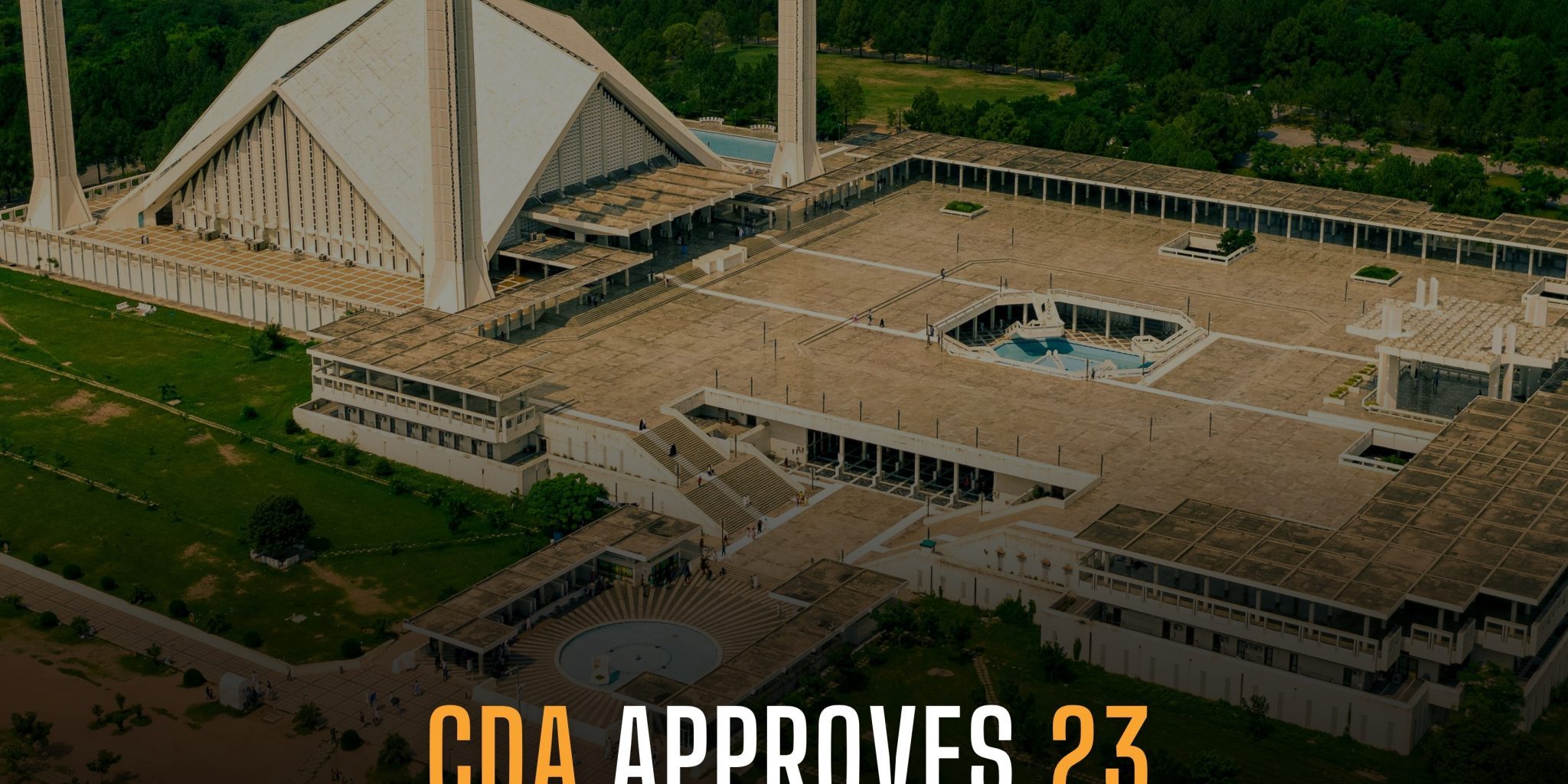
In a major development set to accelerate commercial construction activity across the federal capital, the Capital Development Authority (CDA) has approved 23 commercial building layout plans. The approvals were finalized during the recent sessions of the Design Vetting Committee (DVC) held at the CDA Headquarters.
Beyond granting project sanctions, the civic authority has introduced strict transparency and site-compliance regulations to eliminate unauthorized layout alterations, ensure structural safety, and hold builders accountable to approved blueprints.
Key Highlights from the CDA DVC Decisions
The latest approvals cover high-value commercial plazas, corporate offices, and mixed-use commercial centers across designated commercial markaz and business corridors:
- 23 Building Plans Sanctioned: Clearances granted to eligible commercial projects following multi-tiered technical audits covering building height, parking floor allocations, setbacks, and structural engineering designs.
- Mandatory On-Site Transparency Boards: To curb illegal structural additions and non-conforming use, CDA has made it mandatory to display the registered names and license details of the building owner, principal architect, structural engineer, and MEP consultants prominently outside every active construction site.
- Enforcing Building Control Regulations: The Building Control Directorate has been instructed to carry out periodic site inspections to ensure construction matches vetted blueprints without unauthorized basement conversions or encroachment on mandatory open spaces.
Why Mandatory On-Site Disclosure Protects Investors
Historically, retail buyers and commercial investors faced risks regarding unauthorized floors, parking space reductions, or unapproved structural changes made by unscrupulous developers. The new CDA transparency mandate ensures:
- Direct Accountability: Architects and vetting consultants share legal responsibility for ensuring construction adheres strictly to CDA building bylaws.
- Clear Due Diligence for Buyers: Investors and tenants can independently verify whether a commercial plaza’s construction matches the vetted approval before executing purchase or lease agreements.
- Safer Fire & Life Safety Standards: Approved plans mandate standardized emergency staircases, fire suppression systems, and designated public parking zones.
Checklist for Commercial Real Estate Investors in Islamabad
Before booking retail shops, corporate office floors, or commercial units in newly announced plazas, ensure the following verifications:
- Verify the DVC Approval Letter: Always demand a copy of the official CDA Design Vetting Committee approval letter and vetted drawing stamps.
- Confirm Allowed Floor Usage: Ensure the floor you are purchasing (e.g., lower ground, basement, mezzanine) is legally authorized for commercial trading and not designated as parking or service utility areas.
- Check Site Display Board: Verify that the on-site project board displays authorized CDA file numbers alongside registered engineering consultants.
Strategic Real Estate & Corporate Advisory
Navigating CDA building bylaws, commercial title clearances, and property acquisition requires verified legal and architectural due diligence. Commercial builders, corporate enterprises, and property investors seeking verified real estate advisory can consult Mansory Consultants.
Performance Marketing for Commercial Real Estate Projects
Real estate developers, plaza builders, and marketing agencies aiming to generate qualified buyer leads for commercial shops and corporate offices can launch targeted digital marketing campaigns via Makani Marketing.
📌 Notice: Synthesized from official Capital Development Authority (CDA) press releases and Building Control Directorate administrative guidelines.


